Skip to content
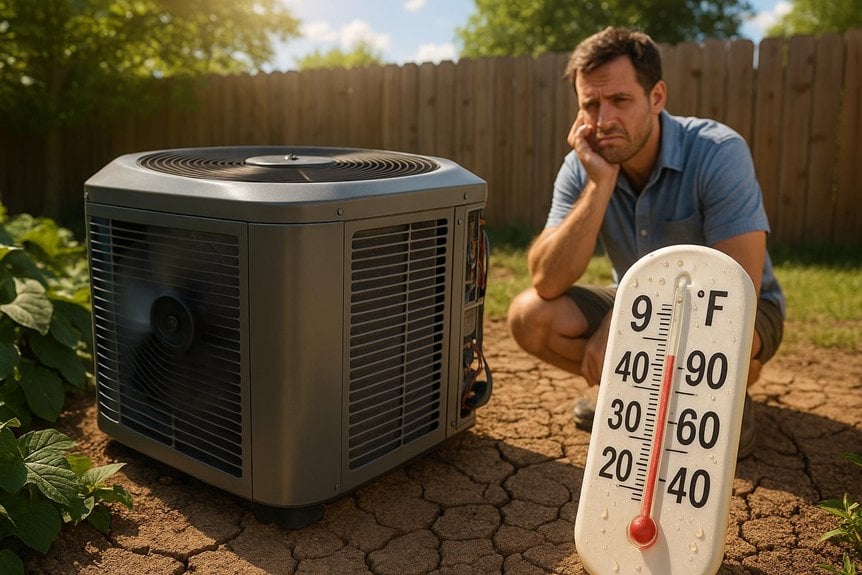
You’re feeling the heat inside your Southlake home even though your AC is running nonstop. During peak North Texas summer temperatures, systems can struggle to maintain set temperatures, especially in larger two-story homes. According to data from the National Weather Service, extended heat waves regularly push outdoor temperatures past normal design limits, forcing cooling systems to work beyond their intended capacity.
Before assuming your air conditioner has failed, it’s important to understand the most common reasons cooling performance drops during extreme summer conditions.
When Extreme North Texas Heat Pushes Your AC Beyond Its Cooling Capacity

When the North Texas summer heat intensifies, your air conditioner’s ability to cool effectively can be severely challenged. High humidity levels compound the problem, making your home feel warmer than it should. In Southlake’s large homes, you may notice uneven cooling, especially upstairs, as moisture-laden air requires more energy to cool. Your AC might run nonstop, struggling to maintain comfort, and you’ll likely see rising energy bills. Humidity also affects airflow, causing your system to work harder and reducing overall efficiency. To tackle these challenges, it’s crucial to have your AC system regularly maintained. An HVAC professional can assess your system’s capacity and ensure it’s equipped to handle the intense North Texas heat and humidity, keeping your home cool and comfortable.
How Refrigerant Loss Quietly Reduces Cooling Power Over Time
Refrigerant is what allows your air conditioner to remove heat from inside your home and release it outdoors. When levels begin dropping due to small leaks or worn connections, cooling performance slowly declines instead of stopping all at once. Your AC may continue running longer than usual, but rooms can feel warmer, and comfort becomes harder to maintain during peak summer heat.
Because refrigerants are regulated by the Environmental Protection Agency, leak detection and system recharging must be handled by licensed HVAC professionals. Low refrigerant pressure prevents the evaporator coil from absorbing heat properly, which can lead to frozen coils, restricted airflow, and added strain on the compressor. Addressing leaks early helps prevent expensive repairs while restoring reliable cooling performance.
Warning Signs that refrigerant levels may be dropping include:
- Warm air blowing from vents during long cycles.
- AC is running constantly without reaching the thermostat setting.
- Ice buildup is forming along the indoor evaporator coil.
- Higher energy bills despite normal thermostat use.
Even when refrigerant levels are properly maintained, airflow conditions inside the home can still interfere with effective cooling delivery.
Why High Attic Temperatures in Southlake Homes Affect Airflow Delivery

If your AC is running but certain rooms still feel warm, the issue may be above your ceiling. In many North Texas homes, ductwork is installed in the attic, where summer temperatures can climb well beyond 120°F. As cooled air moves through those hot attic ducts, some of that cooling is lost before it ever reaches your vents. This forces your system to run longer and work harder just to maintain the thermostat setting.
Common attic-related cooling problems include:
- Compressed insulation is losing its protective R-value.
- Duct joints are leaking conditioned air.
- Poor attic ventilation traps extreme heat.
- Supply air warming before reaching vents.
- Gaps allowing radiant heat infiltration.
- Aging insulation no longer meets standards.
According to recommendations from Energy Star, proper insulation depth and air sealing can significantly improve cooling efficiency and reduce system strain. When attic heat is controlled, airflow feels stronger, temperatures balance more evenly, and your AC doesn’t have to run constantly during peak afternoon hours. While attic heat affects air delivery, cooling problems can also begin with the system controls inside your home.
Smart Thermostat and Zoning System Errors That Disrupt Cooling
Smart thermostats and zoning systems are designed to improve comfort and energy efficiency, but when settings change unexpectedly, cooling performance can suffer. A thermostat stuck in eco mode or a zoning damper that fails to open fully can restrict proper airflow to certain areas of the home. Many homeowners assume the air conditioning system is failing when the issue is actually a control setting, sensor error, or communication problem.
Signs of thermostat or zoning issues may be present:
- AC is running without reaching the set temperature.
- One floor is noticeably warmer than the others.
- Weak airflow from specific room vents.
- Temperature schedules are changing automatically.
- System stuck in energy-saving mode.
- Rooms are cooling unevenly throughout the day.
Devices like the Nest Learning Thermostat and ecobee Smart Thermostat Premium offer advanced features, but incorrect programming or sensor miscommunication can quietly reduce system performance. In larger homes, even minor zoning imbalances can create significant comfort differences between rooms. If your settings appear correct but cooling remains inconsistent, scheduling a professional AC inspection or thermostat diagnostic service can quickly pinpoint airflow restrictions or control failures before they turn into larger repair issues.
Outdoor Condenser Restrictions Caused by Landscaping or Sun Exposure

Maintaining landscaping around your home can improve curb appeal, but it may also affect your air conditioner’s performance if the outdoor unit becomes restricted. Overgrown shrubs, fencing, or debris can block airflow around the outdoor condenser unit, preventing it from releasing heat efficiently. When airflow is limited, the system must work harder to cool your home, often leading to longer run times and higher energy bills during peak summer temperatures.
Common outdoor restrictions that impact cooling performance include:
- Overgrown plants are limiting airflow clearance around the unit.
- Grass clippings, leaves, or debris blocking condenser fins.
- Fence enclosures trap heat around equipment.
- Direct afternoon sun increasing condenser operating temperature.
- Stored items are placed too close to the outdoor unit.
- Pet hair or dust buildup reduces coil efficiency.
Keeping at least two feet of clear space around the condenser and routinely removing debris can significantly improve airflow and cooling efficiency. If you’re noticing uneven temperatures, longer cooling cycles, or rising utility costs, a professional inspection can determine whether outdoor restrictions are contributing to the problem before it leads to more serious system strain.
Return Airflow Problems in Large Open-Concept Floor Plans
Large open-concept layouts look great, but they can create hidden airflow challenges when return air pathways are limited. HVAC technicians frequently find systems struggling to pull air evenly from oversized living spaces or multiple connected rooms. When return airflow becomes restricted, cooled air stops circulating properly, causing uneven temperatures, longer cooling cycles, and rising energy bills. Design standards referenced by the Air Conditioning Contractors of America emphasize proper return sizing to maintain balanced indoor comfort.
- Weak Airflow Areas: Reduced air movement in larger rooms signals restricted return circulation.
- Warm Upstairs Bedrooms: Rising heat overwhelms insufficient return air pathways.
- Doors Moving or Slamming Shut: Pressure imbalance develops when airflow cannot return easily.
- AC Running Longer Cycles: System struggles reaching thermostat temperature consistently.
- Dust Around Return Vents: Restricted airflow pulls debris toward intake grills.
- Uneven Cooling Between Rooms: Air distribution fails across connected open spaces.
During service visits, contractors often resolve these problems by adding return vents, adjusting dampers, or improving airflow pathways rather than replacing equipment. However, even properly balanced airflow cannot prevent wear caused by months of nonstop cooling demand inside the system’s electrical components.
Electrical Component Wear After Long Southlake Cooling Seasons
Long summer cooling seasons place heavy stress on electrical components that control how your AC starts and operates. Contractors frequently see capacitors, relays, and contactors weaken after months of extended runtime, especially during periods of high outdoor temperatures and electrical demand. According to inspection standards supported by North American Technician Excellence, many electrical failures develop slowly and show warning signs before a complete breakdown occurs.
- Delayed System Startup: Capacitors weaken and struggle powering compressor starts.
- Clicking Sounds at Startup: HVAC Contactors wear after repeated high-demand cycling.
- Outdoor Fan Stopping Randomly: Electrical interruptions interrupt normal cooling operation.
- Breaker Trips During Heat Waves: Increased load stresses aging electrical components.
- Thermostat Cooling Takes Longer: Compressor efficiency drops from electrical strain.
- AC Running But Cooling Poorly: Voltage issues reduce overall system performance.
Catching electrical wear early helps prevent sudden breakdowns during extreme heat and protects expensive components like the compressor. When warning signs appear, choosing the right HVAC contractor for accurate AC repair and diagnostics becomes just as important as fixing the issue itself. Technicians trained to professional certification standards use proper diagnostic tools to pinpoint failing components instead of guessing at repairs, helping homeowners avoid repeat service visits and unexpected cooling problems.
Why Choose The Ideal In Air for AC Repair in Southlake, TX
When your AC is running but not cooling, accurate diagnostics matter just as much as fast service. At Ideal In Air, we focus on identifying the true cause of comfort problems, whether it’s airflow imbalance, refrigerant loss, or electrical wear. With over 70 years of combined HVAC experience, our team provides detailed inspections, honest repair recommendations, and transparent pricing to help you restore dependable cooling without unnecessary replacements.
As a BBB-accredited company, we take pride in delivering reliable service and long-term solutions you can trust. Our technicians use advanced diagnostic tools to resolve issues correctly the first time, from thermostat malfunctions to complex system repairs. If your system is running nonstop or struggling to reach the thermostat setting, explore our AC repair services to restore consistent comfort and prevent unexpected breakdowns during peak heat.