Skip to content

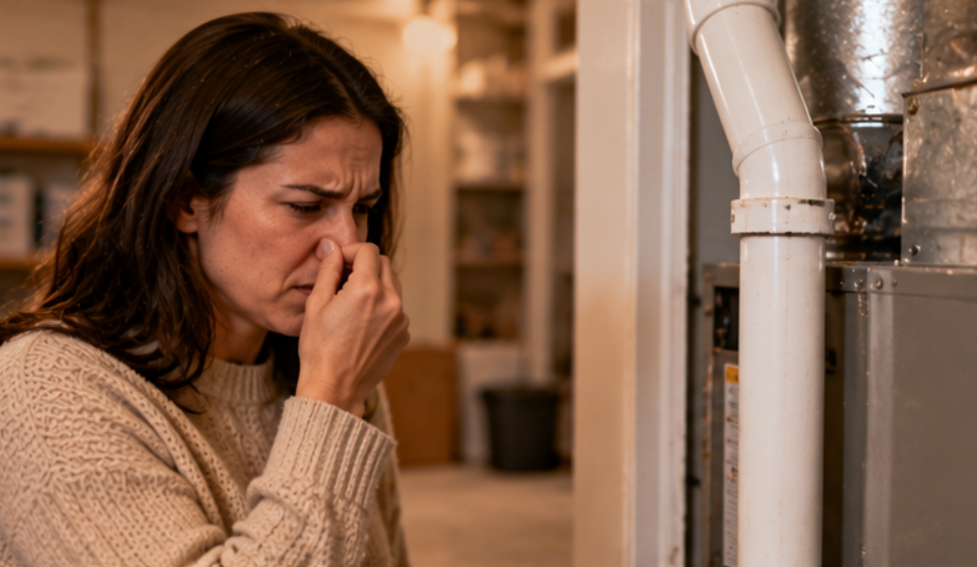
You flip the heat on for the first cold night of the year, and within a few minutes a burning smell is drifting out of the vents. The worry hits fast: is this about to start a fire, or is it nothing at all? Getting that judgment wrong means either a panicked call over harmless dust, or shrugging off a real electrical or combustion fault that deserved attention.
A mild dusty smell the first time you run the furnace each fall is often seasonal dust burning off furnace components, and it should fade after the system has been running for a while. If the odor lasts for several hours, gets stronger, or keeps returning on later cycles, have the system checked. A sharp electrical or hot-plastic odor also calls for a shutdown and inspection. If you smell rotten eggs or sulfur and suspect a gas leak, leave the home immediately, avoid operating switches or electronics inside, and call the gas utility or emergency services from outside.
Why Does My Furnace Smell Like Burning When First Turned On?
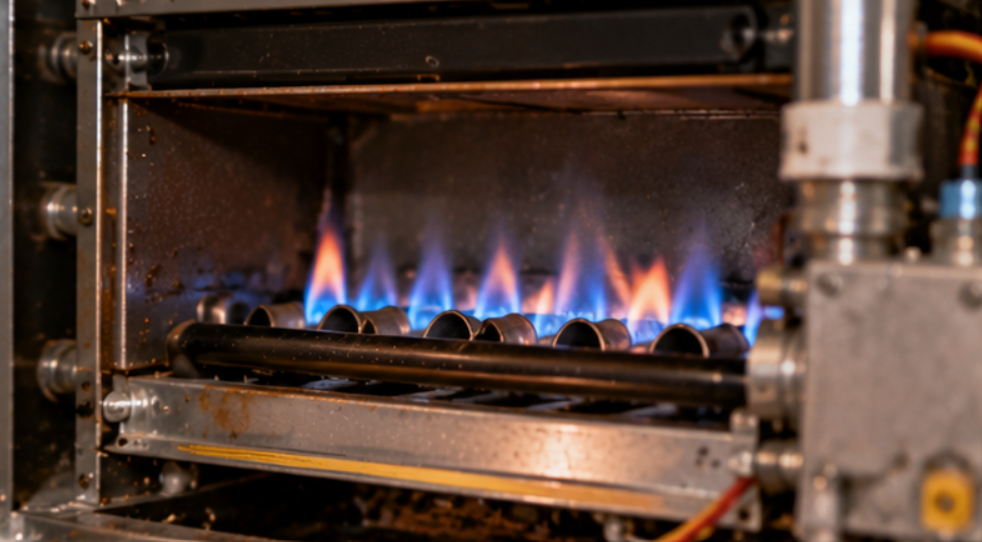
If your furnace smells dusty the first time you fire it up, a common cause is dust that accumulated while the heating system was idle. A gas furnace burns fuel to heat the air moving through your home, and dust can settle on burners, the heat exchanger, and other internal surfaces during a long idle stretch.
When that chamber heats up for the first time, the dust scorches off and rides the warm air into your rooms. In North Texas, this is more pronounced than in colder climates. The cooling season runs long and winters are short, so a furnace in the DFW metroplex can sit unused for 6 or more months, collecting dust the whole time before its first firing.
So the smell on that first cold evening is normal, and it is the single most common reason people call worried about their furnace in the fall. Knowing that lets you relax a little, but only up to a point. The real question is how long the smell should last, because duration is what separates dust from a fault.
How Long Should a Normal Burn-Off Smell Last?
Harmless seasonal dust burn-off should fade relatively quickly after the first startup of the heating season. The exact timing can vary by system and how long it has been idle, but the odor should become weaker rather than stronger and should not keep returning on later heating cycles.
The strength and duration of a startup odor can vary by system and how long the furnace has been idle. What matters most is the pattern: a mild dusty smell should fade, while an odor that persists for several hours, becomes stronger, or returns repeatedly deserves attention.
If the odor persists for several hours, becomes stronger, or fades and then keeps returning on later cycles, stop treating it as normal seasonal dust. That pattern can indicate another issue that needs inspection. Next, it helps to know what those abnormal smells can mean.
What Burning Smells Signal a Real Problem?
Not every burning odor is dust finishing its yearly burn-off. A few distinct smells point to faults that need attention, and each one tells you something different about what is going wrong inside the unit.
Sharp Electrical or Hot-Plastic Odor
A sharp, acrid smell like hot plastic or scorched wiring can mean an electrical component is overheating. Possible sources include the blower motor, wiring, capacitor, or another electrical component. This one is urgent: shut the system down if it is safe to do so and have it inspected before running it again.
Rotten-Egg or Sulfur Smell
A rotten-egg or sulfur odor is a gas smell, not a burning one, and it deserves the fastest response of all. Natural gas is odorless, so utilities add a sulfur-like scent specifically so leaks get noticed. If you catch that smell near the furnace, leave the house, avoid switches and flames, and call your gas utility from outside before anything else.
Smoky or Acrid Smell That Keeps Returning
A smoky or acrid smell that comes back on every heating cycle, rather than fading after the first, suggests something is burning that should not be. It could be debris lodged against a hot surface, a cracked flue, or soot from incomplete combustion. Because this one can involve combustion byproducts, it is worth a professional furnace repair in Southlake, TX before you keep running it.
Oily or Chemical Smell on an Older System
An unusual oily or chemical odor that persists is not normal seasonal dust. Shut the system down if it is safe to do so and have the source identified before continuing to run it.
Each of these smells has a different urgency, but they share one thing: none of them is the dust you can safely wait out. At a glance, the odors that should stop you in your tracks are these:
Before you call anyone, there are a few things you can safely check without opening the equipment. Start with the thermostat setting, the air filter, the supply vents, and the area around the furnace.
What Can You Safely Check Yourself First?
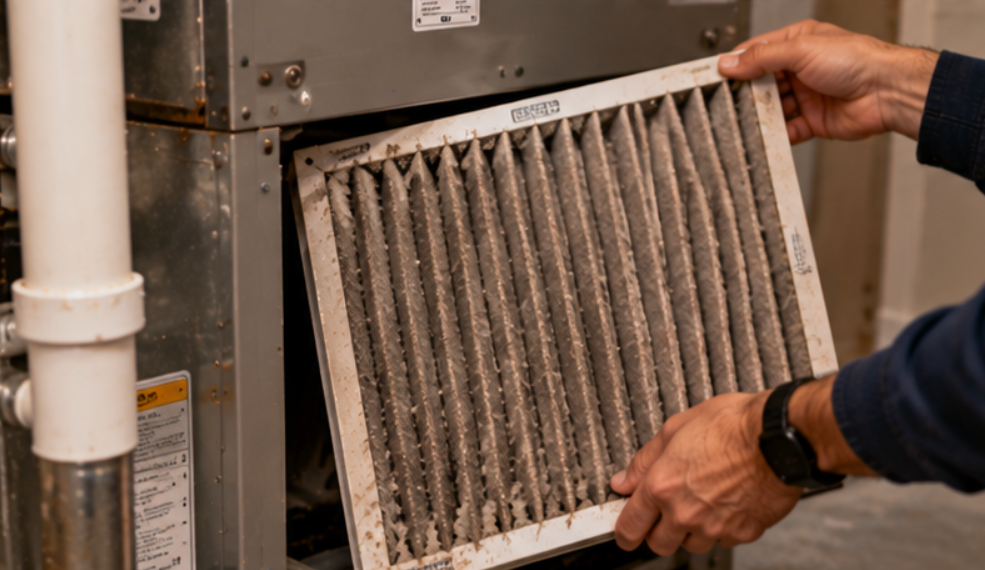
Some burning smells have simple causes a homeowner can confirm or rule out without tools or opening the equipment. Combustion and electrical work is not homeowner territory, but filters, vents, and a visual look around the unit are fair game and often narrow the problem down fast.
Start with these safe checks before picking up the phone:
- Check the air filter: Pull it out and look. A gray, clogged filter restricts airflow and can overheat the furnace, producing a hot, dusty smell.
- Inspect the supply vents: Make sure none are blocked by furniture or rugs, since starved airflow pushes the unit to run hotter.
- Look around the unit: Check for cardboard, stored items, or lint resting against or near the furnace cabinet that could scorch.
- Note the smell’s character: Decide whether it is dusty, electrical, plastic, or sulfur, because that word is the most useful thing to tell a technician.
- Check your CO alarms: Test them according to the manufacturer’s instructions, replace batteries if applicable, and replace each alarm by its stated end-of-life date.
A clogged filter is one common airflow problem homeowners can address. Filters are commonly checked every 30 to 90 days, with the exact interval depending on the filter, household conditions, and manufacturer guidance. If changing a dirty filter improves a hot, dusty odor, continue to monitor the system and arrange service if the smell persists or returns.
When the odor is electrical, chemical, or persistent, that is past DIY territory and needs a qualified diagnosis. That is where a York dealer in Southlake, TX comes in, able to test components you cannot safely reach.
When Should You Shut the Furnace Off and Call a Technician?
For a persistent burning, hot-plastic, or electrical odor, turn the furnace off at the thermostat if it is safe to do so and arrange professional service. If you smell rotten eggs or sulfur and suspect a gas leak, do not operate the thermostat, lights, phones, or other switches inside. Leave the home immediately and call the gas utility or emergency services from outside.
It helps to match your smell against the likely cause and the right response. The table below lines up the common odors with what is probably happening and what to do about it.
| Smell | Likely cause | Why it matters | What to do |
|---|---|---|---|
| Mild dusty odor that fades after seasonal startup | Seasonal dust on furnace components | Can be normal after a long idle period | Monitor it; it should weaken and not keep returning |
| Hot plastic or electrical | Possible overheating electrical component or wiring | A component this hot is a fire risk | Shut off, call a technician |
| Rotten egg or sulfur | Possible natural gas issue | Added scent on gas warns of a leak | Leave, call the gas utility |
| Smoky, returns each cycle | Debris or combustion problem | May involve flue or exhaust fault | Shut off, have it inspected |
Carbon monoxide is odorless, so smell cannot tell you whether CO is present. Keep working CO alarms installed and maintained according to the manufacturer’s instructions, including the stated replacement date. If a CO alarm sounds or anyone develops possible CO symptoms such as headache, dizziness, nausea, or confusion, leave the home immediately and call 911 from outside.
Reading a combustion or electrical fault correctly takes a qualified technician, the kind trained as a York Certified Comfort Expert to diagnose exactly these faults, not guesswork. If an electrical or combustion odor has you concerned, emergency heating service in Southlake, TX is the right call rather than running the unit another night.
Sorting a Furnace Burning Smell Before Winter
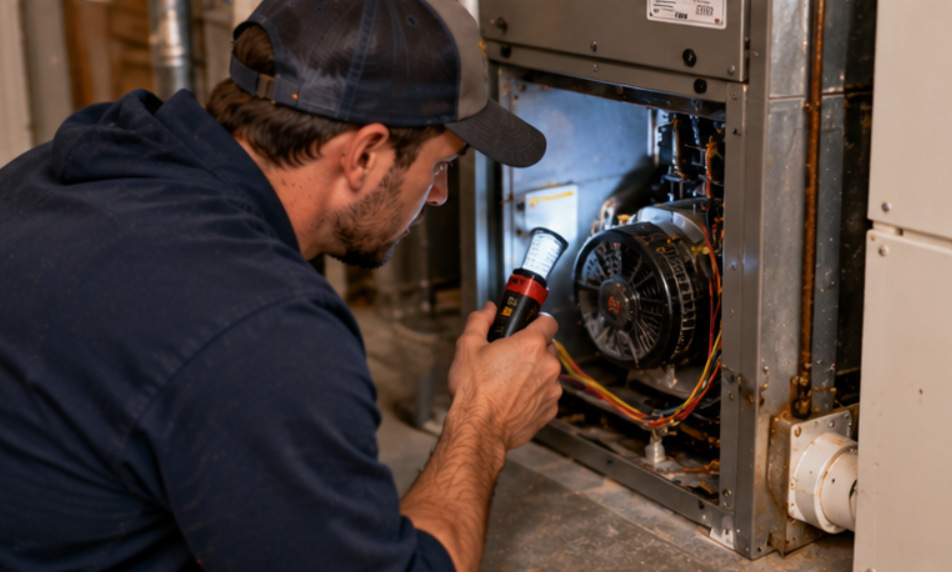
A burning smell from your furnace usually comes down to one question: is it mild seasonal dust that is fading, or something more concerning? A dusty odor that fades after the season’s first startup and does not return is often normal. Electrical, chemical, smoky, sulfur-like, persistent, or worsening odors need a different response.
Three things decide which camp you are in: how long the smell lasts, what it actually smells like, and whether it returns on later cycles. Those are the same cues a technician asks about first, so paying attention to them early makes any eventual service call faster and more accurate. A fresh filter is worth trying when the smell is hot and dusty.
The smart move is to notice the smell, how long it lasts, and whether it returns. If a mild dusty odor fades and stays gone, it was likely seasonal burn-off. If it persists, worsens, or returns, you now have useful details to share with the technician.
Why Choose Ideal In Air for Furnace Repair in Southlake?
If your furnace continues to smell like burning after the initial startup period, or the odor suggests an electrical problem, professional inspection can help identify the cause before it becomes a larger issue. Ideal In Air provides furnace repair in Southlake to help homeowners address heating problems and restore reliable operation.
If your furnace is aging or experiencing repeated breakdowns, compare repair costs with the benefits of furnace installation and replacement. As a York dealer, Ideal In Air can also help you explore York heating equipment when replacing an existing system. Choosing the right option depends on your home’s heating needs, the furnace’s condition, and your budget.
Don’t ignore a persistent burning smell or an odor that resembles melting plastic or electrical wiring. If you suspect a gas leak or carbon monoxide issue, leave the home and contact the appropriate emergency service. For furnace concerns, call Ideal In Air at (817) 663-4933 or book an appointment online.
Frequently Asked Questions
How long does a burning smell from a new furnace last?
A brand-new furnace may smell of burning oils and manufacturing residue for its first few heating cycles, usually clearing within a day of normal use. This is different from yearly dust burn-off because it involves factory coatings cooking off. If the smell lasts longer than a day of regular running, have it checked.
Can a furnace burning smell be carbon monoxide?
No. Carbon monoxide is completely odorless, so smell cannot tell you whether CO is present. An unusual furnace odor may indicate a separate equipment problem, but it is not a CO warning. If a CO alarm sounds or anyone has possible CO symptoms such as headache, dizziness, nausea, or confusion, leave immediately and call 911 from outside.
Is it safe to keep running my furnace if it smells like burning plastic?
No. A hot-plastic or electrical odor can indicate an overheating electrical component or wiring problem and may present a fire risk. Shut the system off at the thermostat if it is safe to do so and leave it off until it has been inspected.
Why does my furnace smell like burning but only for a few minutes?
A brief dusty smell at seasonal startup is commonly caused by dust that accumulated while the furnace was idle. It should fade rather than grow stronger and should not keep returning on later cycles. If it persists for several hours, worsens, or repeatedly returns, have the system checked.
Will changing the filter stop a burning smell?
Sometimes. A severely clogged filter can restrict airflow and contribute to overheating or a hot, dusty odor. Replacing a dirty filter may help if airflow restriction was part of the problem, but it will not correct an electrical, plastic, gas, or combustion-related issue.